Avery Weber · 1 October 2026
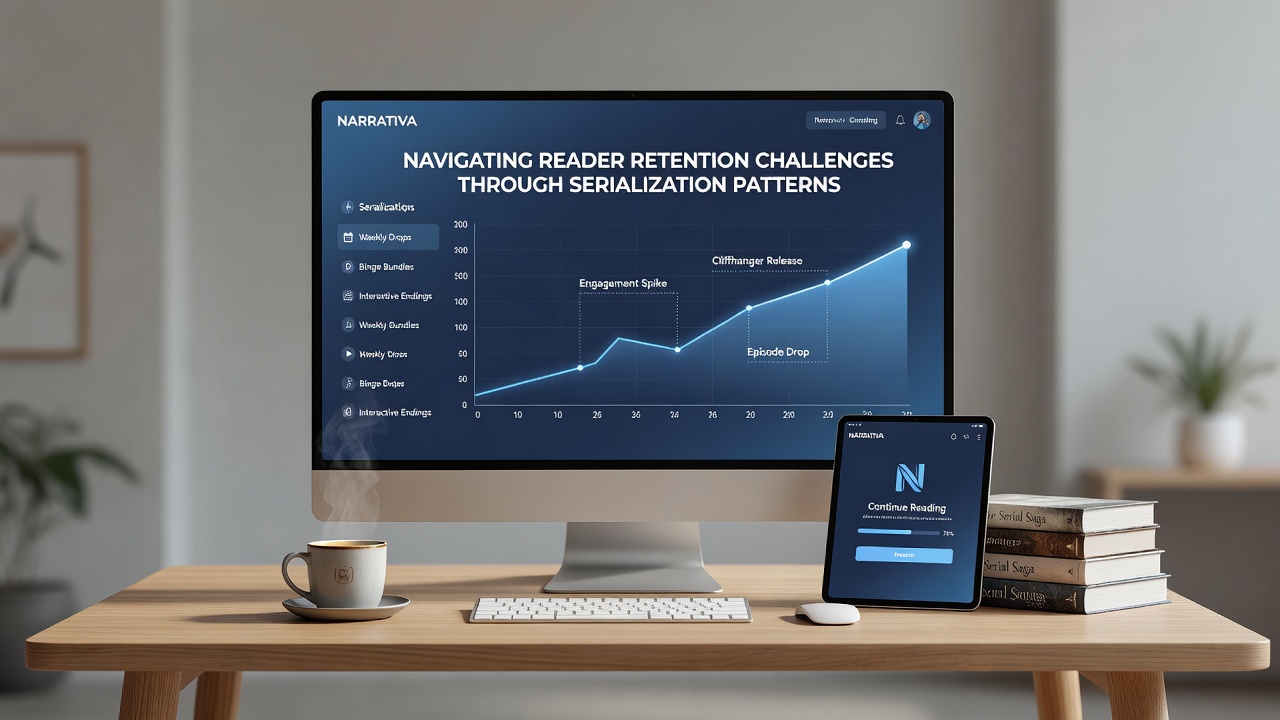
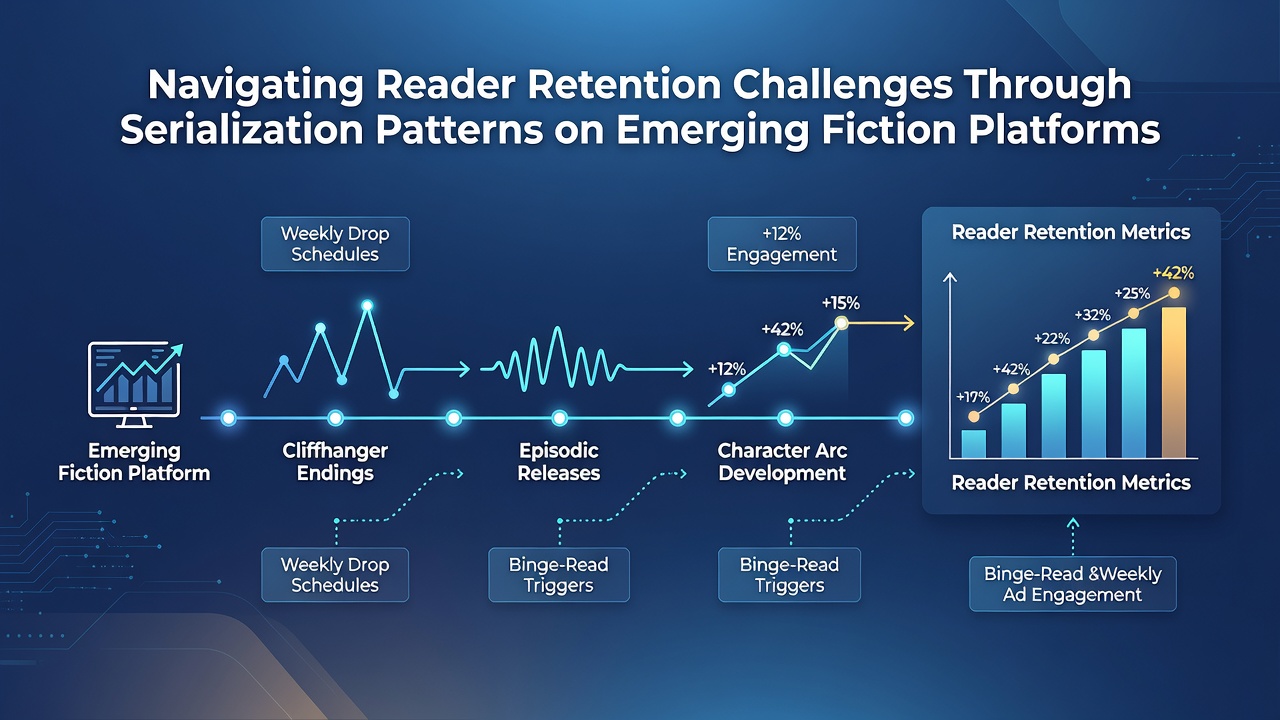
Navigating Reader Retention Challenges Through Serialization Patterns on Emerging Fiction Platforms
Emerging fiction platforms have expanded rapidly since the mid-2020s, and reader retention remains a core operational focus for site operators as well as independent authors. Data collected through October 2026 shows that platforms releasing content in serialized segments experience distinct engagement curves compared with those offering complete novels at once, with metrics indicating higher return visit rates when release intervals stay consistent.
Understanding Retention Patterns in Serialized Formats
Platforms built around episodic releases track metrics such as chapter completion rates, time between logins, and comment volume per installment, while researchers note that drop-off often occurs after the third or fourth chapter when pacing falters. Studies from academic institutions in Canada have documented how release cadence influences subscriber loyalty, with weekly updates correlating to steadier audience growth than irregular schedules across multiple tested sites.
Serialization introduces built-in checkpoints that encourage repeated visits, yet it also creates vulnerability points where readers may abandon a story if expectations around cliffhangers or resolution timing go unmet. Observers tracking platform analytics report that stories maintaining tension across installments without resolving core conflicts too early sustain higher completion percentages through the first ten chapters.
Key Serialization Techniques and Platform Adaptations
Authors and platform algorithms together shape retention through several documented approaches. Consistent chapter length, typically between 1,500 and 3,000 words, aligns with mobile reading sessions according to usage logs from multiple services, while variable lengths disrupt habit formation. Release time windows also matter, as evening uploads in target time zones produce measurable upticks in immediate engagement compared with off-peak postings.
Interactive elements such as author notes or reader polls placed between chapters further anchor attention, and platform data indicates these features increase the likelihood of users enabling notifications for future installments. One study revealed that sites incorporating reader feedback loops into the serialization process saw measurable reductions in churn rates during the initial publication arc.
Data Insights from Platform Analytics
Figures from industry reports compiled in 2026 highlight that emerging platforms using algorithmic recommendations tied to serialization progress achieve stronger retention than those relying solely on genre tags. A research paper hosted by the University of Melbourne examined over 200 active serials and found that stories updating on fixed weekdays retained 28 percent more active readers at the 20-chapter mark than those without predictable schedules.
Cross-platform comparisons show variation by region as well, with North American services emphasizing longer arcs and European platforms testing shorter, more frequent drops to match commuter reading patterns. These differences reflect local usage data rather than universal rules, and operators continue adjusting parameters based on ongoing telemetry.
Case Examples from Current Platforms
Take one platform that introduced milestone rewards for readers completing every fifth chapter, a tactic that produced documented increases in session frequency according to internal metrics shared in industry forums. Another service experimented with collaborative serialization where multiple authors contributed linked storylines, resulting in elevated discussion volume that correlated with extended reader lifetimes on the site.
Those who've studied these implementations note that success depends on transparent communication about release expectations, because abrupt pauses without notice generate the sharpest declines in returning users. Platform operators therefore publish calendars and status updates to mitigate uncertainty.
Conclusion
Serialization patterns on emerging fiction platforms continue to evolve alongside reader behavior data gathered through late 2026. Consistent release practices, combined with pacing adjustments and community features, represent the primary mechanisms through which operators address retention challenges. Ongoing analysis from research institutions and platform telemetry will likely shape further refinements in how episodic content maintains audience engagement over extended periods.