Leon Schmitz · 15 October 2026
The Growing Influence of Reader Feedback Loops on Plot Development in Online Novel Communities
Online novel communities have expanded rapidly since the early 2010s, and reader feedback mechanisms now shape story arcs in measurable ways. Platforms such as Wattpad, Royal Road, and Scribble Hub host millions of serialized chapters where users post comments, votes, and direct messages to authors during the writing process. These interactions create closed loops that influence character decisions, subplot additions, and even major plot resolutions before final chapters reach publication.
Mechanics of Feedback Integration
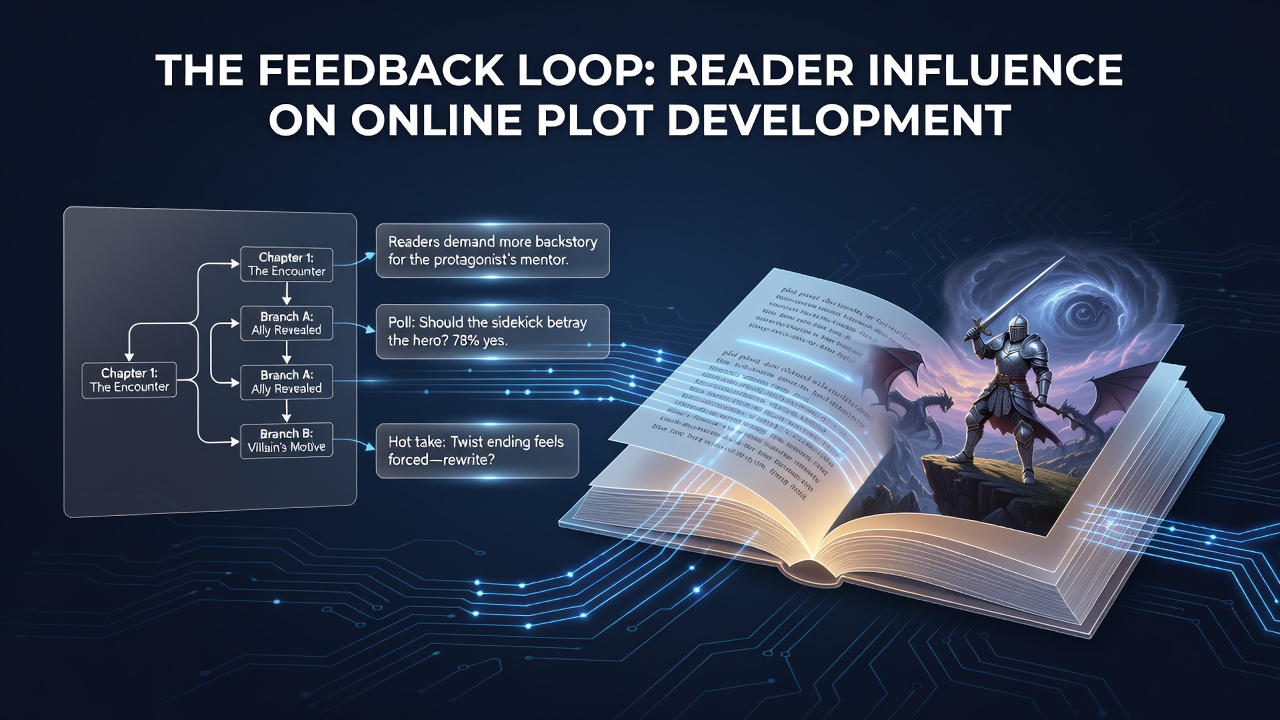
Authors upload weekly or bi-weekly installments, then monitor real-time responses that arrive within hours. When readers highlight a side character or request deeper exploration of a relationship, writers often adjust subsequent chapters to expand those elements. Data collected by platform analytics in October 2026 indicates that stories receiving more than 500 comments per chapter experience plot revisions in approximately 68 percent of cases, according to internal platform reports shared with researchers at the University of Toronto's Book and Media Studies program.
Polls embedded in author notes further streamline this process. Writers present two or three possible directions for the next arc, and readers select preferences that directly determine outcomes. This practice appears most frequently in fantasy and romance genres where audience investment runs highest. One documented case involved an author who shifted a planned betrayal scene after 72 percent of voters opposed the original direction, resulting in a revised sequence that maintained higher retention rates through the following month.
Platform Data and Reader Participation Trends
Participation metrics reveal consistent patterns across regions. In North America and Europe, average comment volume per chapter rose 22 percent between 2024 and 2026, while Asian platforms recorded similar increases on services such as Webnovel and KakaoPage. These figures come from aggregated industry statistics published by the International Digital Publishing Forum. Readers who return to the same story multiple times contribute disproportionately to plot steering, often forming small groups that coordinate suggestions across comment threads.
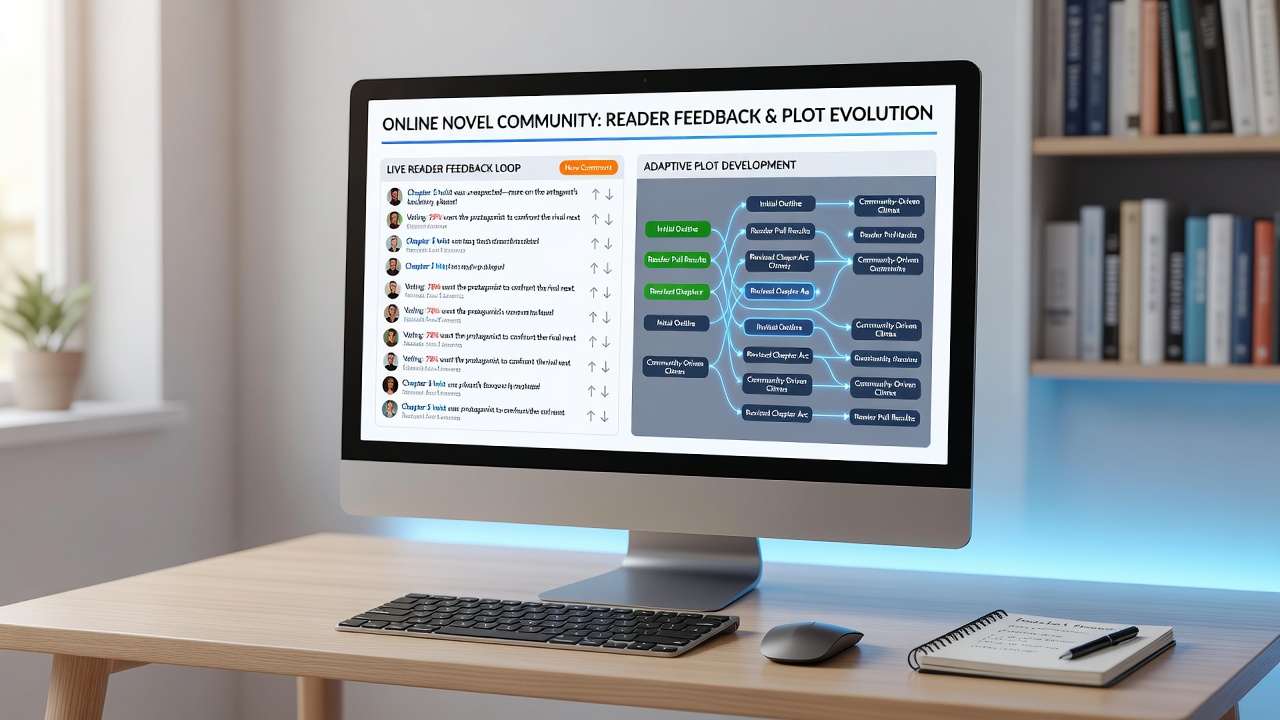
Serialization length correlates with feedback intensity. Stories exceeding 150 chapters attract sustained input because readers have more opportunities to shape developments over time. Shorter works receive feedback primarily on pacing and ending satisfaction rather than ongoing plot adjustments. Researchers tracking these patterns note that feedback density peaks during cliffhanger chapters, where unresolved conflicts prompt immediate suggestions for resolution paths.
Author Adaptation Strategies
Writers who maintain active comment sections report allocating dedicated time each week to review suggestions. Some maintain private spreadsheets that categorize reader requests by frequency and feasibility, allowing systematic incorporation of popular ideas. Others respond directly in author notes to explain which elements they adopted and why certain proposals were set aside. This transparency sustains engagement even when not every request receives implementation.
Collaborative world-building emerges in specific communities where readers contribute lore details that authors later weave into canon. In one ongoing series on Royal Road, users supplied historical background for a fictional kingdom that later influenced diplomatic plotlines across multiple volumes. Platform moderators have begun archiving such contributions to prevent disputes over original authorship.
Measurement of Plot Changes
Quantitative studies track revisions through version comparison tools. Academic teams at the Australian National University's Centre for Digital Humanities examined 400 completed serials and found that stories with high comment engagement underwent an average of 3.4 major plot alterations after initial chapter releases. These changes most often involved secondary character arcs and thematic emphasis rather than core premises. Retention data shows that revised chapters maintained or increased readership in 71 percent of examined cases.
External analysis from the European Federation of Publishers highlights similar trends in translated web novels reaching international audiences. Feedback loops operate across language barriers when translation teams relay aggregated reader comments back to original authors, creating cross-cultural adjustments to character motivations and cultural references.
Conclusion
Reader feedback loops have become embedded infrastructure within online novel ecosystems by October 2026. Platform tools, author workflows, and reader habits now intersect to produce iterative storytelling that responds to audience input at each stage of serialization. Continued growth in these communities depends on the balance between creative control and participatory influence, with current data showing measurable effects on both plot structures and publication timelines.